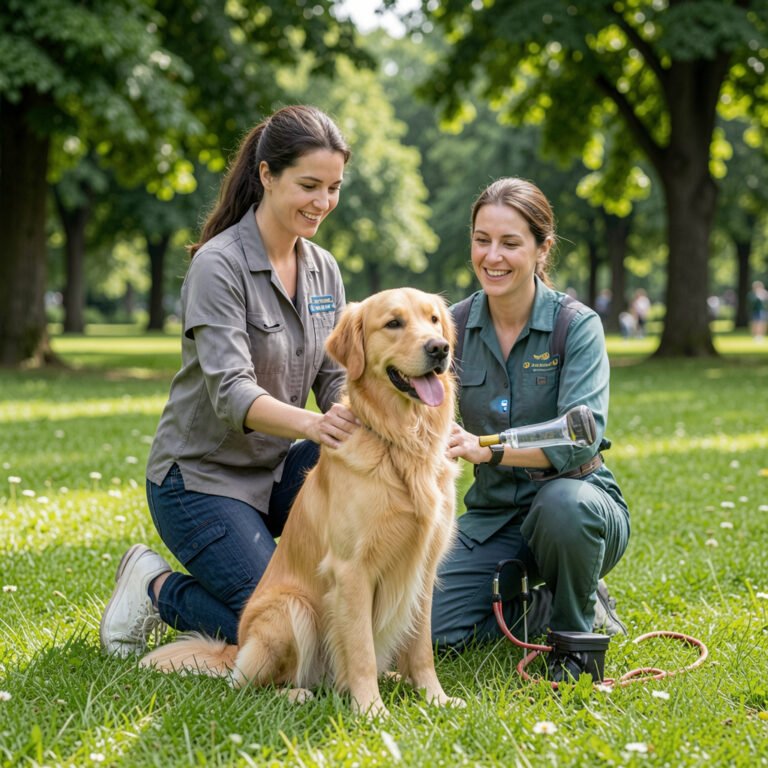
Watching your dog constantly scratch, bite, or lick their skin can be frustrating and worrying. Many pet owners search for practical solutions that actually work, and one helpful resource is My Itchy Dog, where you can find useful advice, natural remedies, and carefully selected products designed to ease discomfort and improve your dog’s overall wellbeing.
Why Dogs Experience Itchy Skin
Itching in dogs is more common than most people think. The causes can vary, and sometimes more than one factor is involved.
Here are some of the most common reasons:
- Allergies
Dogs can react to food, pollen, dust, or even certain cleaning products. These reactions often show up as constant scratching or red skin. - Fleas and parasites
Even a small number of fleas can cause intense irritation. Some dogs are highly sensitive to flea bites. - Dry skin
Weather changes, especially in colder months, can lead to flaky and itchy skin. - Poor diet
Low quality food lacking essential nutrients can affect skin health over time. - Skin infections
Bacterial or yeast infections can develop if the skin barrier is weakened.
Understanding the root cause is key before choosing the right treatment.
Signs Your Dog Needs Attention
Not all itching is the same. Occasional scratching is normal, but persistent symptoms need attention.
Look out for these signs:
- Constant licking or chewing paws
- Red or inflamed skin
- Hair loss in patches
- Scabs or sores
- Unusual odor from the skin
- Restlessness or discomfort
If these symptoms continue, it is a good idea to act early before the issue becomes more serious.
Natural Remedies That Can Help
Many dog owners prefer natural solutions before turning to strong medications. These can be gentle and effective when used correctly.
Oatmeal Baths
Oatmeal is known for its soothing properties. A simple oatmeal bath can help reduce irritation and calm the skin.
- Use plain, finely ground oats
- Mix with warm water
- Let your dog soak for 10 to 15 minutes
Coconut Oil
Coconut oil can be applied directly to dry or irritated areas. It helps moisturize the skin and has mild antibacterial properties.
- Use a small amount
- Rub gently into affected areas
- Avoid overuse to prevent greasiness
Apple Cider Vinegar Spray
Diluted apple cider vinegar can help relieve itching caused by mild infections or allergies.
- Mix equal parts vinegar and water
- Spray lightly on the coat
- Avoid open wounds
Proper Grooming
Regular brushing removes dirt, loose hair, and allergens from your dog’s coat.
- Choose a brush suitable for your dog’s coat type
- Groom at least a few times a week
The Role of Diet in Skin Health
What your dog eats plays a major role in how their skin looks and feels. A balanced diet can improve overall condition and reduce itching.
Key Nutrients to Focus On
- Omega 3 and Omega 6 fatty acids
Support healthy skin and reduce inflammation - High quality protein
Helps repair and maintain skin tissue - Vitamins and minerals
Strengthen the immune system
Switching to a better diet or adding supplements can make a noticeable difference over time.
Choosing the Right Products
Not all dog care products are created equal. Some shampoos and treatments contain harsh ingredients that can make itching worse.
When selecting products, keep these points in mind:
- Look for natural ingredients
- Avoid strong fragrances and chemicals
- Choose products designed for sensitive skin
- Test new products on a small area first
Gentle and targeted products are often more effective than harsh treatments.
Preventing Future Skin Problems
Prevention is always better than dealing with ongoing discomfort. A few simple habits can help keep your dog’s skin healthy.
Regular Cleaning
Keep your dog clean but avoid over bathing, as it can strip natural oils.
Clean Living Environment
Wash bedding regularly and keep your home free from dust and pests.
Routine Checks
Inspect your dog’s skin and coat often. Early detection can save time and stress later.
Seasonal Care
Adjust grooming and care routines based on weather changes. Skin needs can vary throughout the year.
When to Seek Extra Help
Sometimes home remedies are not enough. If your dog’s itching becomes severe or does not improve, it may require professional attention.
Situations to watch for:
- Persistent bleeding or open wounds
- Severe hair loss
- Signs of infection
- Sudden changes in behavior
Taking action early can prevent complications and help your dog recover faster.
Creating a Comfortable Routine
Dogs thrive on consistency. Building a simple routine focused on their skin health can make a big difference.
A balanced approach might include:
- Weekly grooming sessions
- Nutritious meals
- Occasional soothing treatments
- Regular observation
Small, consistent efforts often lead to lasting results.
Your dog depends on you for comfort and care. Paying attention to their needs, making thoughtful choices, and staying consistent can turn an uncomfortable situation into a manageable one, helping them stay active, relaxed, and happy in their everyday life.
About the Author